Three design rules that make any app look premium
Extreme size contrast, one signal colour and three layers of depth turn a default-looking app or website into one that looks designed. You can hand all three to your AI or developer.
Read itStep-by-step guides from my videos: what it means for your business, which tool I’d use, and a prompt you can paste in and try yourself. New ones after every post.
Extreme size contrast, one signal colour and three layers of depth turn a default-looking app or website into one that looks designed. You can hand all three to your AI or developer.
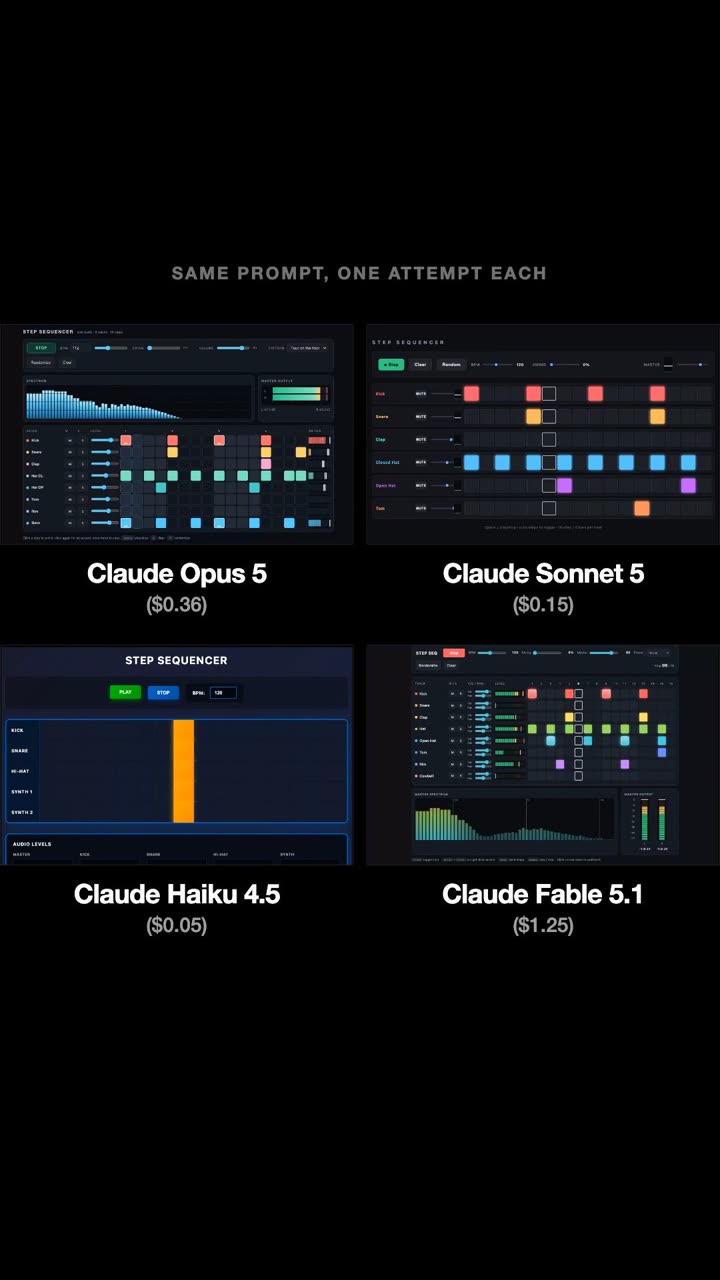
Read itEvery build in these battles came from one plain-English prompt. Copy any of them, paste it into Claude or ChatGPT and you get the same kind of interactive piece in minutes.
Read itChatGPT and Claude start from zero in every new chat unless you give them a standing brief. One page in a Project fixes it for good.
Read itAI defaults to long answers. Tell it the format and the length at the end of your prompt and you get answers you can actually use.
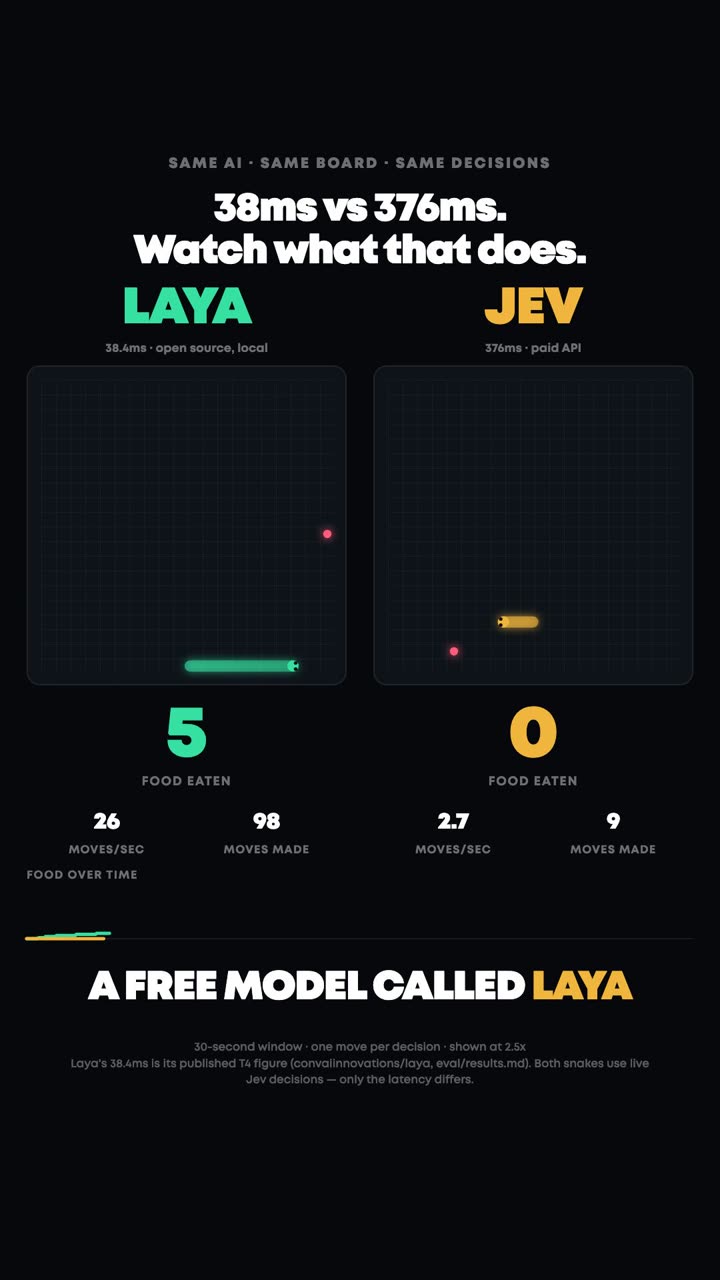
Read itJev answers one question at a time in a fraction of a second for a fraction of a cent, which makes small, always-on helpers cheap enough to run on everything you read.
Read itA free decision model is only as good as the examples you give it: fewer choices, a tuned yes-line and your own labelled data took Laya from 36% to 77%.
Read it
For small decisions made over and over, how fast the answer comes back matters as much as how smart it is, and a decision model answers for a fraction of a cent.
Read it
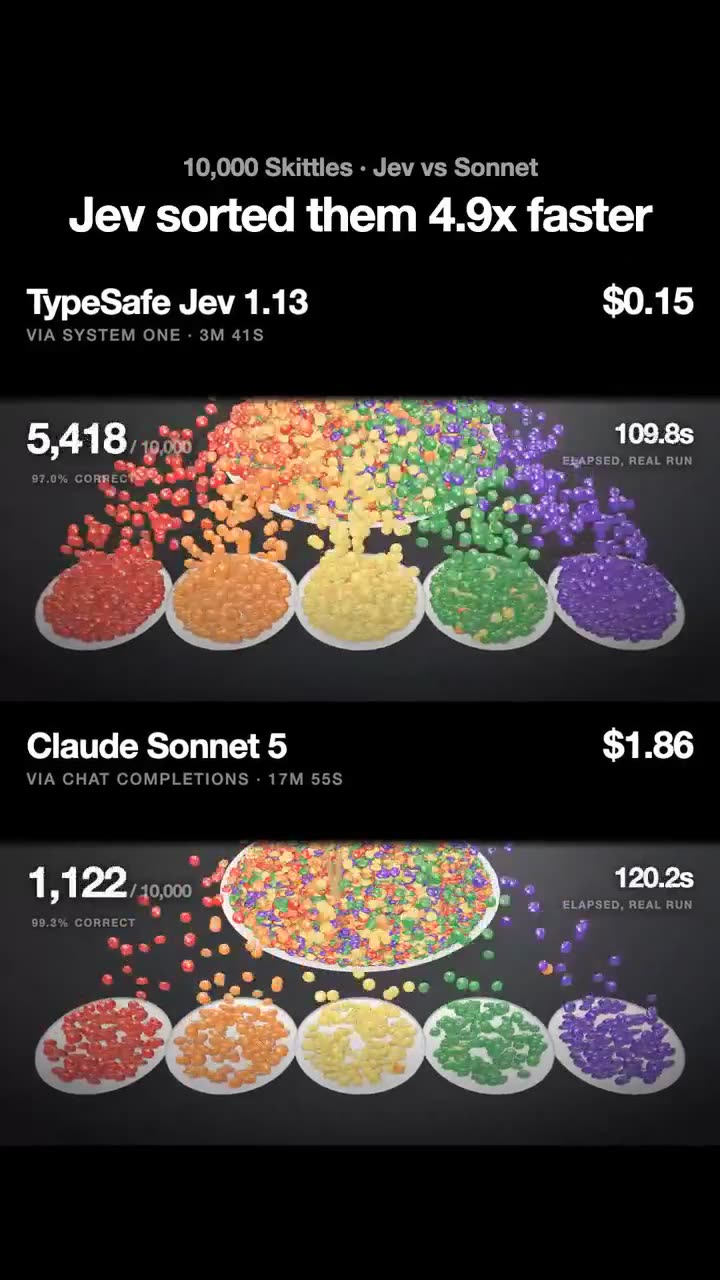
For high-volume sorting into a fixed set of boxes, a decision model did the job 4.9 times faster and 12 times cheaper than Claude Sonnet 5.
Read it
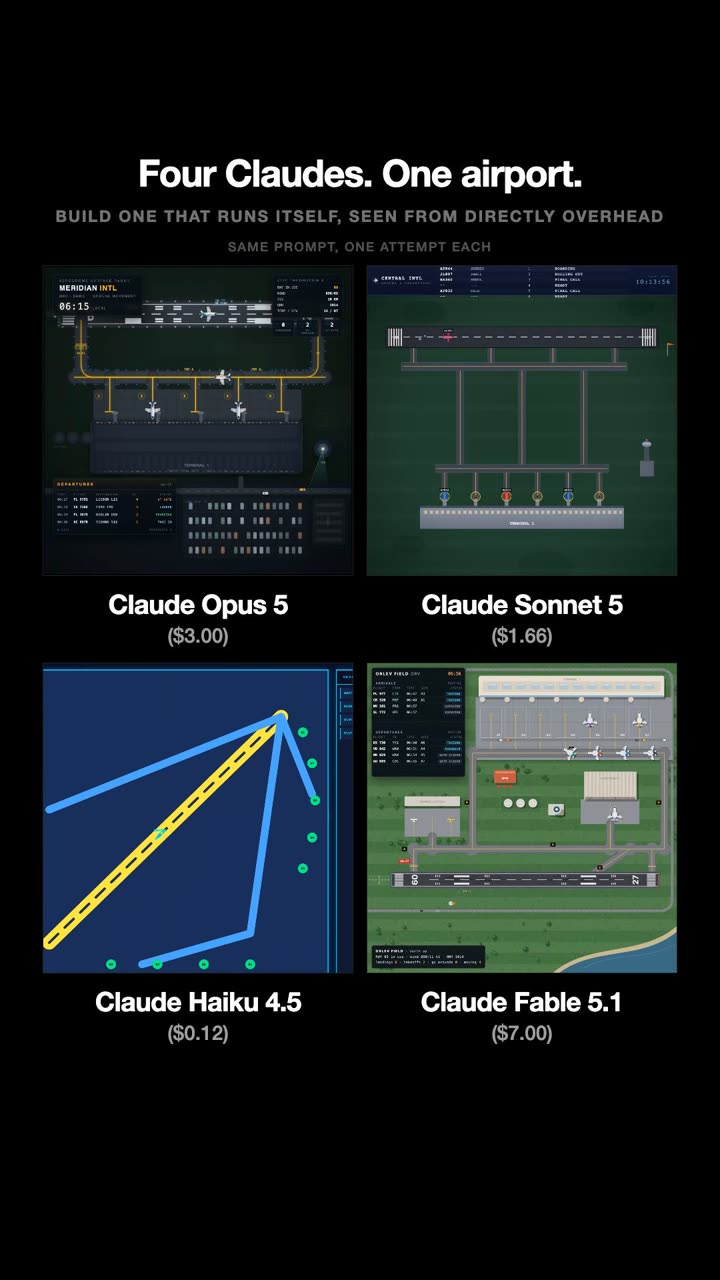
Do not pick one Claude for everything: plan with the most capable model, execute with a strong cheaper one, and let it hand the small pieces to sub-agents.
Read it
Both top models can now build a recognisable 3D object from nothing but code, which makes spinning product visuals and interactive demos cheap to try.
Read it
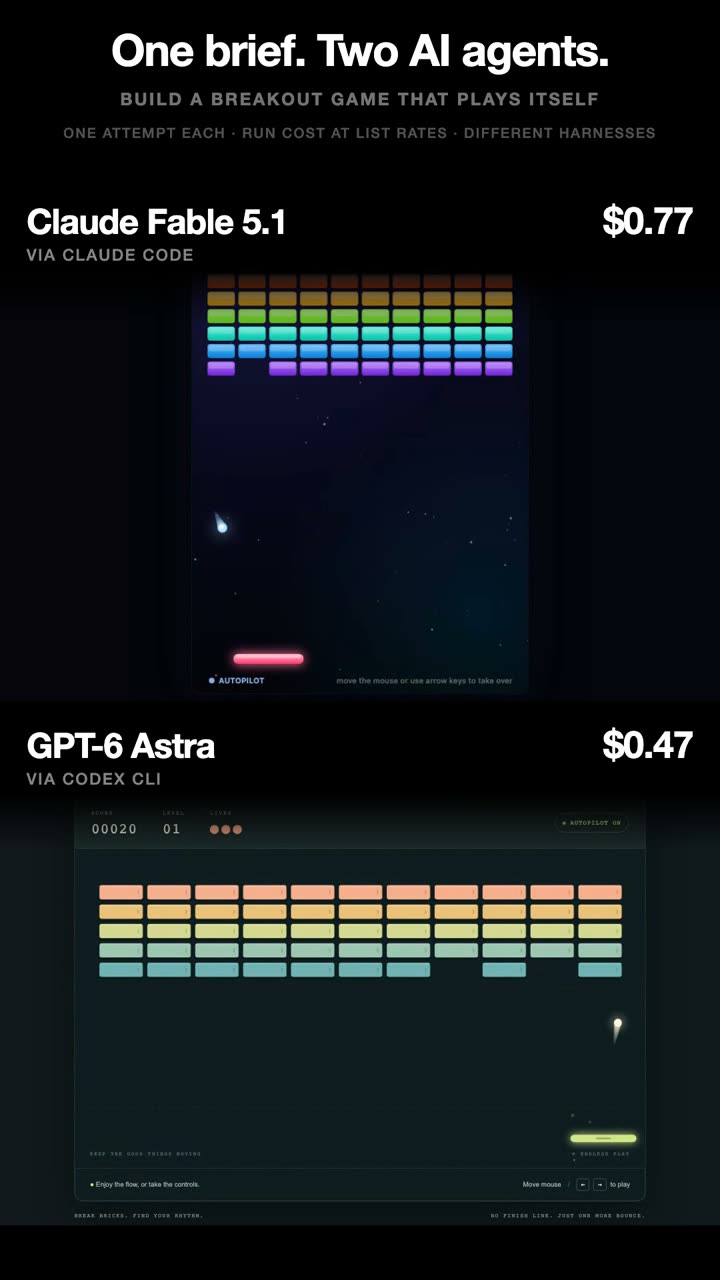
For a small, clear build both got it right first time and one cost about a fifth of the other, so the cheaper, faster agent is often enough.
Read it
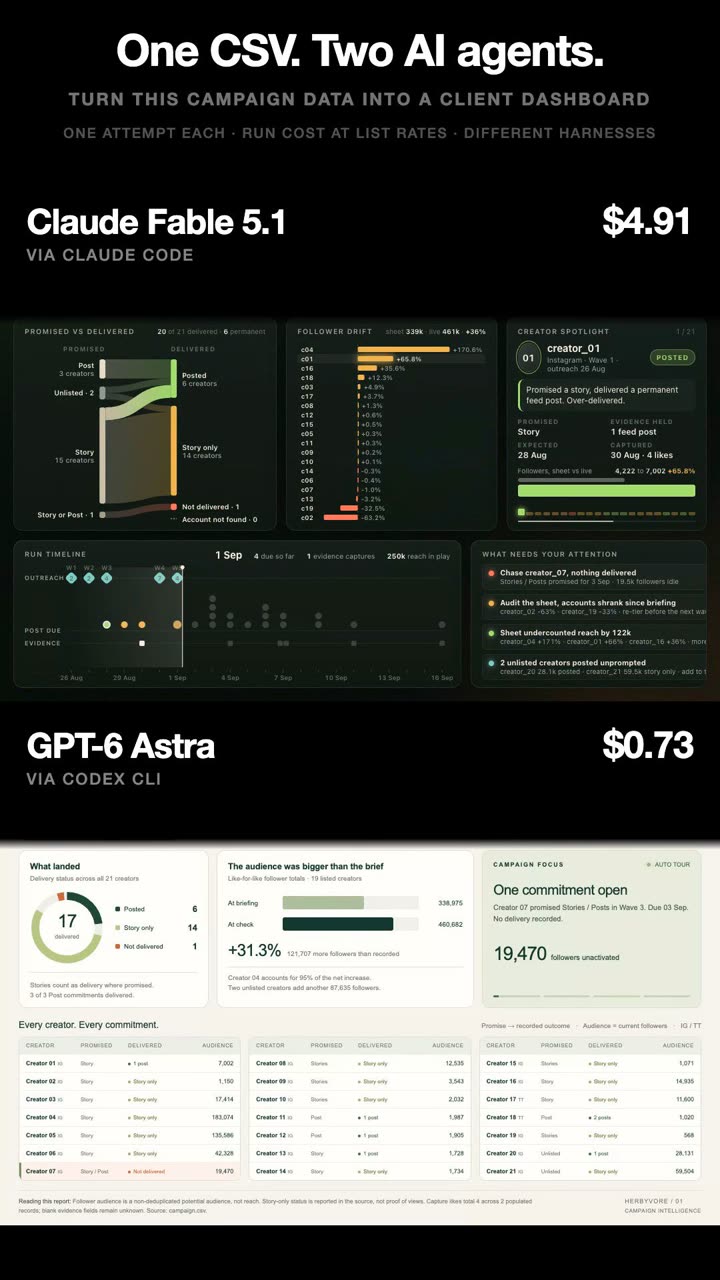
Two AI agents turned a raw campaign spreadsheet into a client-ready dashboard in minutes, and the better one was the one that labelled the numbers honestly.
Read it
The cheapest model can miss the one thing a job is for, so let the top model plan, a strong model execute, and give the cheap model only bounded pieces with a check.
Read itOn design work that goes back and forth, the model that used fewer tokens per round cost about a third as much.
Read itMost of these take an afternoon to try and a lot longer to get right inside a real business. That part is what I do.
Free AI tutorials and resources: what it means for your business, which tool to use, and how to try it yourself. One email opens all of it.
Back to mohrwolfe.com